
Thinking about rebranding? Read this first.
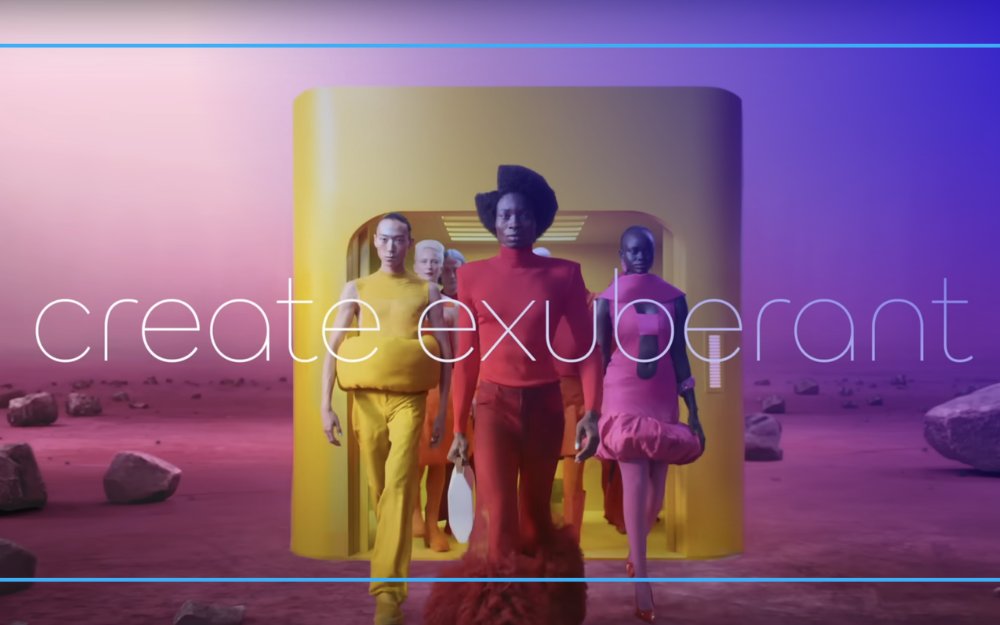
Rebranding can be a challenging process, as demonstrated by Jaguar
TL:DR
Rebranding is not a magic fix for a struggling business. It is a tool to communicate who you are. If you don't know who you are, or if your product isn't working, a new logo is just a distraction.
Before you call the designers, take a hard look at your business. If the foundation is solid but the paint is peeling, by all means, paint the house. But if the foundation is cracking, fix that first. The paint can wait.
It happens to almost every business eventually. You look at your sales numbers, your website traffic, or just the general vibe of your company, and things feel... stagnant.
Maybe you aren’t growing as fast as you used to. Maybe a competitor just launched something shiny and new. You sit in a meeting room with the leadership team, and someone says the magic words:
"We need a rebrand."
A new logo, a new name, a fresh color palette—it promises a clean slate and a fresh start.
But before you sign a contract, we need to be frank about what a rebrand can and cannot do. Rebranding is expensive, time-consuming, and risky. Sometimes it’s exactly what a company needs. But often, it’s a distraction from the real problems.
Let’s look at why you might want to rethink that new logo.
First, let's get on the same page: rebrand vs brand refresh
People use "rebrand" to mean a lot of different things, so let’s clear that up.
A Brand Refresh is like getting a haircut and buying a new suit. You are still you, but you look cleaner, sharper, and more modern. Maybe you tweak the logo or you brighten up your colors. The core of who you are stays the same.
A Rebrand is like a completely new face. You are changing your name, your identity, and your story. You are telling the market, "We are not who we used to be."
The Wrong Reasons to Rebrand
If you are thinking about rebranding because business is down, be careful. A new look rarely fixes operational issues. Here are three common scenarios where rebranding is usually a mistake.
1. The product is the problem
There is an old saying in advertising: "Nothing kills a bad product faster than good marketing."
If people aren't buying what you sell because it breaks, or it doesn't do what it promises, or it tastes bad, a new logo is not going to help. In fact, it might make things worse.
If you rebrand a bad product, you are essentially getting people into trying it again. When they realise it’s the same old product in a new package, they won’t just be disappointed; they will be annoyed.
Fix the product first. Make it something people want to talk about. Once the product is solid, then you can decide if the brand needs to catch up.
2. Your customers are unhappy with your service
Let’s say your company has a reputation for terrible customer support. Long hold times, unhelpful staff, missed deliveries. Your reviews are tanking.
Changing your name or your colors won't reset your reputation. In the digital age, word of mouth comes in the form of online reviews and it spreads fast.
If you launch a rebrand that promises "A New Era of Care" but your call center still puts people on hold for 45 minutes, you break trust immediately. You have to fix the internal culture and the customer experience before you worry about the external image.
3. You're team is bored of the current brand
This is the most common reason for rebranding, though no one likes to admit it.
You work at your company every day. You see your logo, your font, and your tagline emails, presentations, and slack channels constantly. After three or four years, you get sick of looking at it. It feels old to you.
But here is the reality: your customers don't live in your office. They might see your brand once a week, or once a month. To them, your brand is just starting to feel familiar.
Familiarity builds trust. If you change your look every time the marketing team gets bored, you never give your customers a chance to recognise you. If you’re tired of your brand, that usually means you’re being consistent. Rather than a rebrand, a brand campaign might be more suitable (more on this below).
When should I rebrand?
So, when does a rebrand actually make sense? Usually, it’s when the reality of your business has changed so much that the old brand just doesn't fit anymore.
1. The product has evolved
Imagine you started a company selling DVD players. Ten years later, you are selling streaming software. If your name is "Dave's DVD World," you have a problem. Your brand name and identity are actively holding you back because they tell a story that isn't true anymore.
When your business model shifts entirely, you need a brand that reflects the new reality. This is a practical necessity.
2. Your customers have changed
The world moves fast. What looked cool and cutting-edge in 2010 might look out-of-touch today.
Sometimes, cultural values shift. Maybe your audience cares deeply about sustainability now, and your brand looks industrial and wasteful. Maybe your visual style looks like it belongs to a previous generation, and you’re trying to talk to people in their 20s.
If your brand feels like a relic, and the data shows that people are ignoring you because you look outdated, a rebrand can help you rejoin the conversation.
3. You need a new audience
Every market has a ceiling. Eventually, you might run out of people to sell to in your current niche.
If you need to move from selling budget gear to premium gear, or from selling to college kids to selling to corporate executives, your current brand might not carry the weight you need. A rebrand signals to this new group of people that you are "for them."
It’s risky—you might lose some of your old customers—but sometimes it’s the only way to grow.
4. The Competition is winning on looks
Sometimes, you have a better product, but your competitor just looks more professional.
If you are losing sales because your website looks home-made and your competitor looks like a Fortune 500 company, that is a valid reason to make a change. Perception is reality in marketing. If you look risky or cheap, people will assume your product is risky or cheap.
5. Mergers and Acquisitions
This is the boring, practical one. Two companies merge. They can’t keep both names. They need a new identity to rally the staff and the stock market. It’s less about marketing strategy and more about corporate housekeeping, but it’s a very valid reason to change things up.
Why a brand campaign might be better for your business
If you read through the "Right Reasons" list and didn't see yourself there, but you still feel like you need to shake things up, there is good news. You don't need a rebrand. You probably just need a new brand campaign or refresh.
You can keep your logo, name and even core colours but you can change everything else, for example:
Change the photography style.
Change the tone of voice in your copy.
Write a new tagline.
Launch a new series of ads that talk about a different benefit of your product.
A brand campaign engages with your customers and tells your story from a fresh angle. It allows you to respond to competitors, articulate what makes you different, and spritz up your brand.
If it doesn't work, you stop the campaign. If you rebrand and it doesn't work, you are in deep trouble.
